
Why Busbar Temperature Monitoring Is Becoming Increasingly Important
Sep 17, 2026
With rapid development of data centers, new-energy projects, semiconductor plants, lithium-battery manufacturing facilities, hospitals and high-rise buildings, busbar trunking systems are gradually replacing traditional power cables in modern power distribution. Yet long-term operation brings hidden thermal risks at busbar joints — if undetected, they cause unexpected shutdowns or even complete power supply interruption.
Compared with conventional power cables, busbar trunking features large current-carrying capacity, good heat dissipation and flexible capacity expansion, making it ideal for high-current power distribution. Busbar systems are heavily deployed across Latin America in:
For modern smart power distribution projects, busbar joint temperature monitoring, wireless temperature monitoring and power meter / electrical instrument solutions are critical to guarantee power reliability. Manual periodic inspection alone cannot capture early-stage overheating risks efficiently.
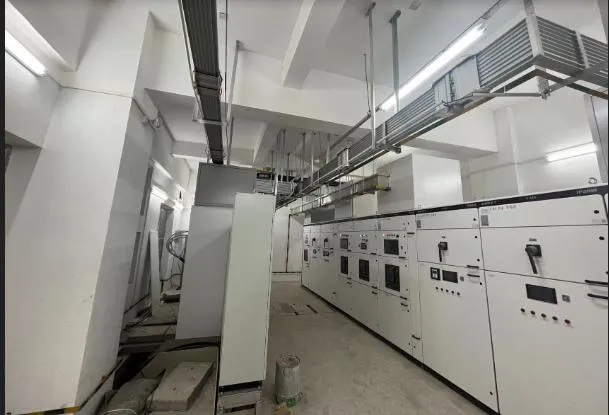
Many engineers assume the solid copper bar itself rarely fails. In fact, most thermal failures occur on connection points rather than the busbar conductor body:
Misalignment during installation, continuous mechanical vibration or oxidation on contact surfaces increase contact resistance and lead to persistent temperature rise.
Plug-in boxes supply power to downstream loads. Their prongs carry heavy current continuously and belong to high-risk heating spots.
These special-structure positions face complex installation conditions and tend to generate local over-temperature during operation.
Degraded IP protection or high site humidity causes condensation on joints, creating insulation risks together with abnormal temperature growth.
Common root causes for busbar failure:
- Increased Contact Resistance — the leading cause of joint heating
- Phase-to-phase / Earth Insulation Deterioration
- High Ambient Humidity and condensation
- Loose Connections under long-term vibration
Acrel AMB series delivers a full-set busbar wireless temperature monitoring system — temperature sensing, data acquisition, communication and cloud / local dashboard visualization — as a key part of the smart electrical instrument portfolio.
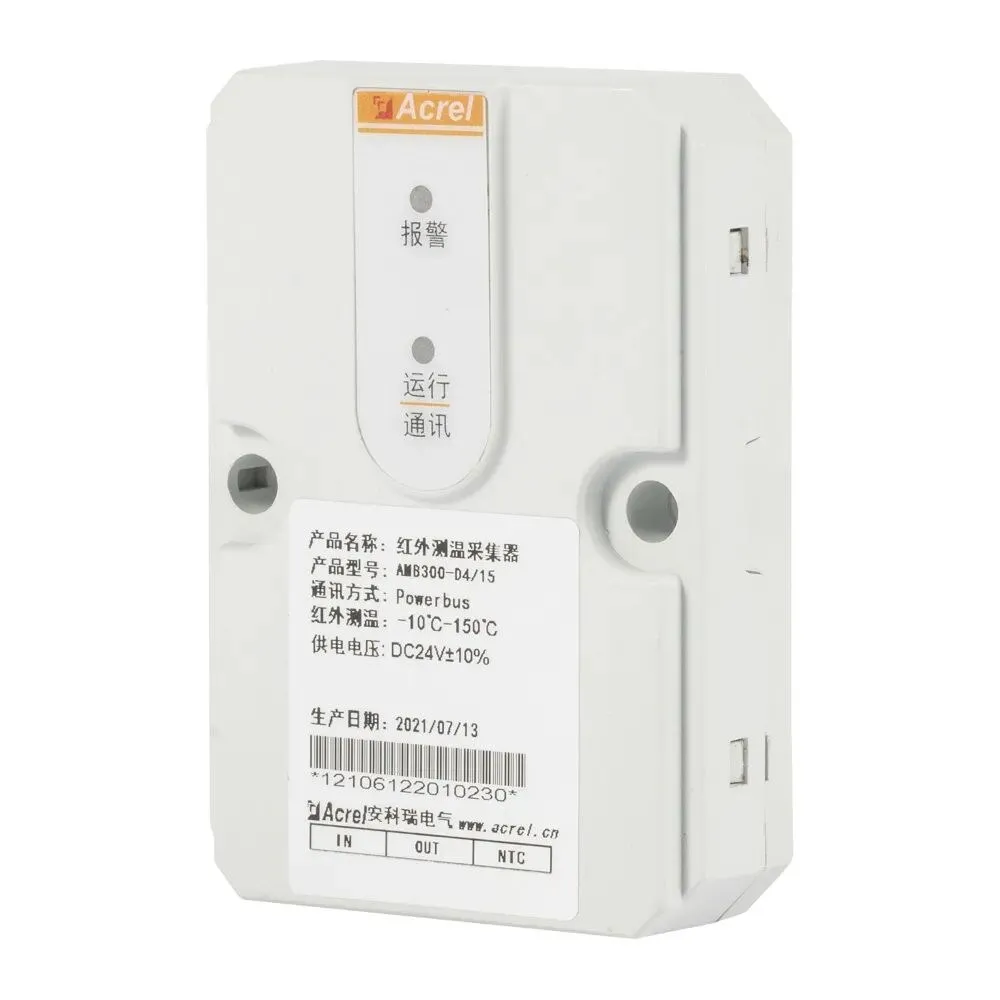
Four-point synchronous temperature acquisition; Powerbus communication; infrared temperature range −10 ℃ ~ 150 ℃; DC 24 V powered.
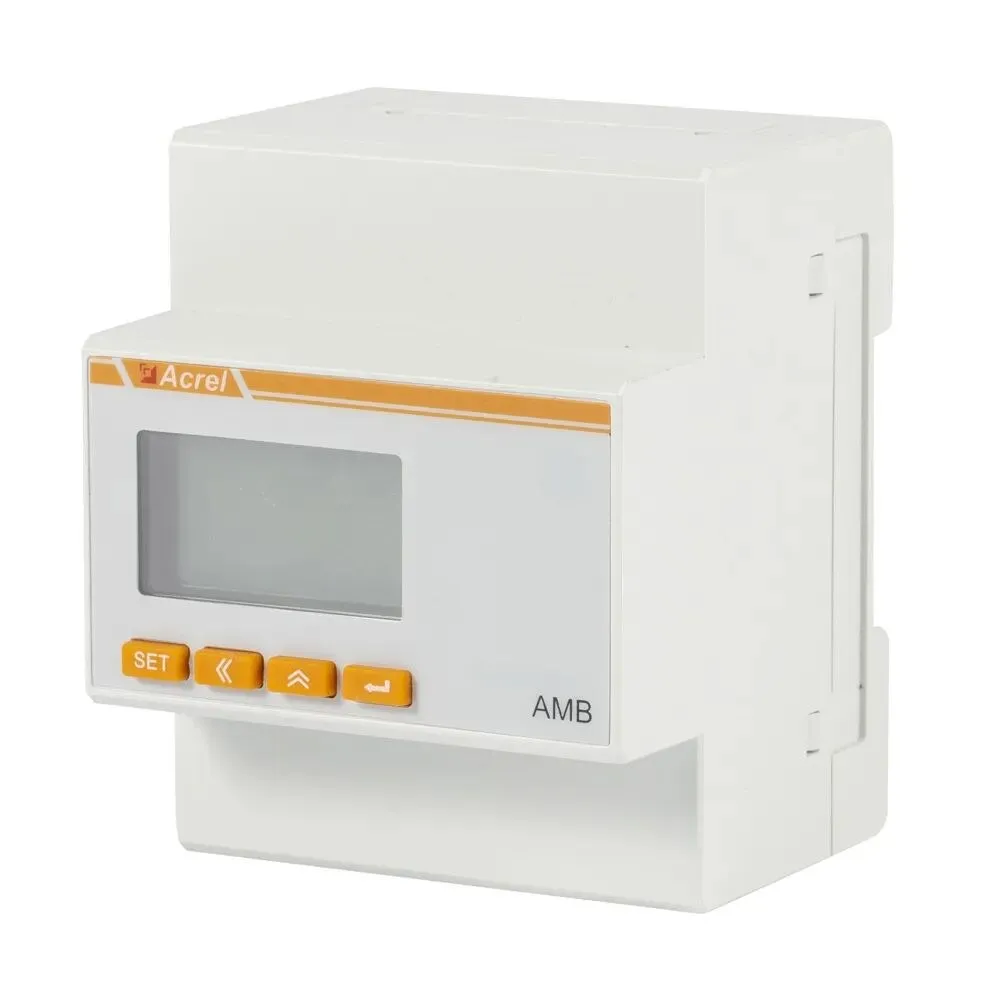
Collects data from up to 160 AMB300 sensors, uploads via Modbus-RS485, supports local display and remote access.
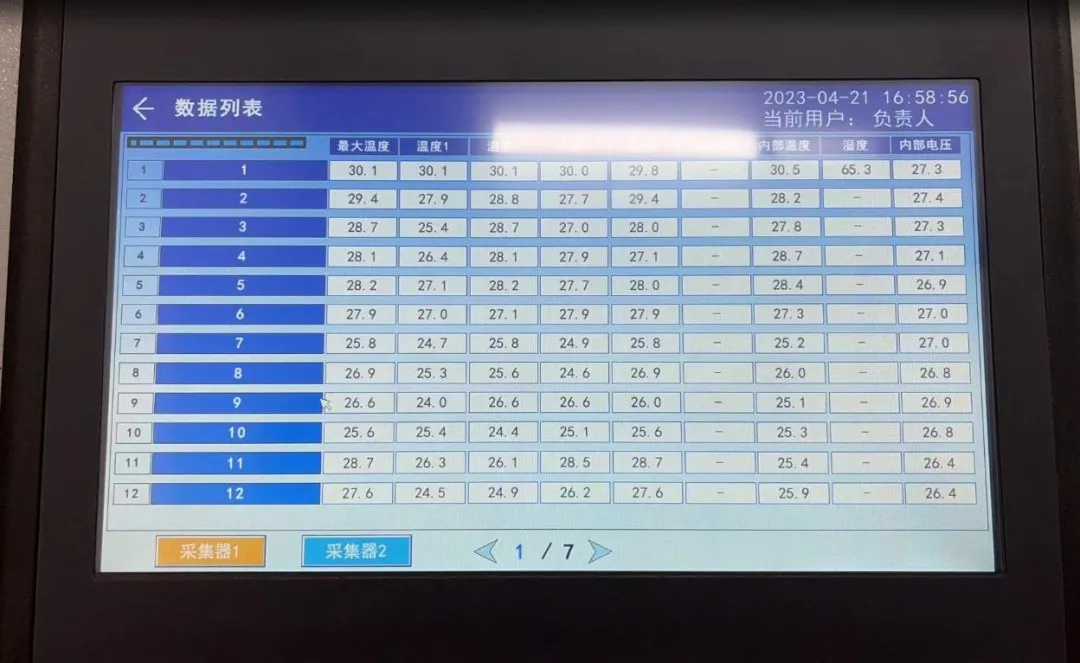
- System architecture: AMB300 infrared sensors → AMB310 data collector → RS485 / Modbus → local HMI touch screen or Acrel-EMS energy management platform.
- Real-time online measurement with over-temperature alarm and historical temperature data logging.
- For compact busbar and plug-in box applications, AMB100 / AMB110 multi-function monitoring modules combine power metering with temperature-humidity monitoring (voltage, current, power, energy, humidity, residual current).
- For extra-long-span busbar, choose the AMB400 distributed fiber-optic temperature monitoring system.
No physical contact with copper conductors and no modification of the original busbar structure. Retrofitting is completed without site power shutdown — perfect for both new-build and renovation projects.
AMB300-Z: array infrared sensor for multi-point large-area monitoring. AMB300-D1: single-point sensing. AMB300-D4/15: four-point synchronous acquisition, partial models support combined temperature & humidity measurement.
Each AMB310 supports up to 160 AMB300 sensors via two-wire bus; data uploads through Modbus-RS485. Auto-addressing reduces on-site commissioning work and shortens construction time.
Connects to local HMI touch screens, SCADA systems, Acrel-EMS energy management platform and third-party power monitoring software — seamless integration with existing power meters and electrical instruments on site.
| Application Scenario | Recommended Model |
|---|---|
| Compact busbar / plug-in box multi-parameter monitoring (electrical + temperature) | AMB100 / AMB110 |
| Array infrared monitoring for busbar connectors | AMB300-Z |
| Single-point temperature sensing for busbar joints | AMB300-D1 |
| Multi-point synchronous joint temperature monitoring | AMB300-D4/15 |
| Data collection for infrared temperature sensors | AMB310 |
| Extra-long-span busbar for high-rise buildings | AMB400 distributed fiber-optic temperature monitoring system |
Busbar trunking runs widely inside electrical shafts of high-rise buildings. Connectors, elbows and reducers are spread across different floors. The system deploys AMB300-Z sensors and AMB310 collectors; all joint temperature data is aggregated and displayed on a local HMI touch screen. Facility operators get full 24/7 visibility of busbar thermal status from the control room, and alarms are triggered once abnormal temperature occurs — greatly lowering manual inspection workload.
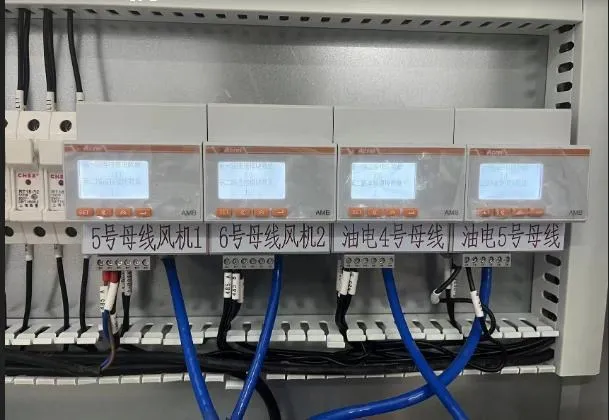
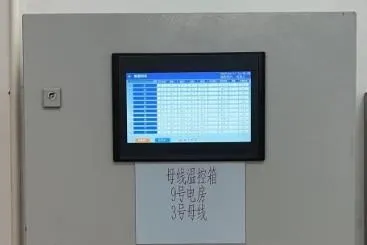
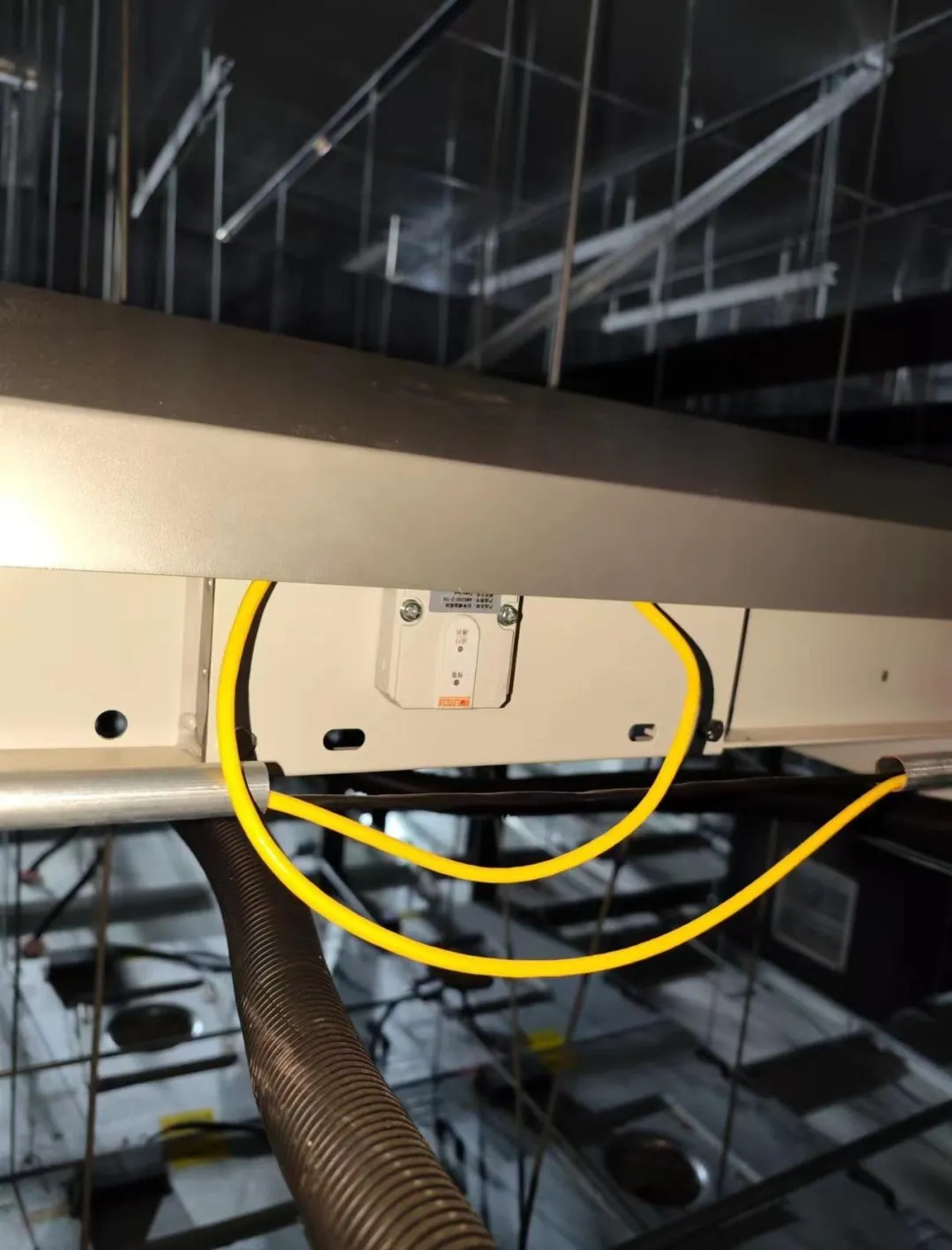
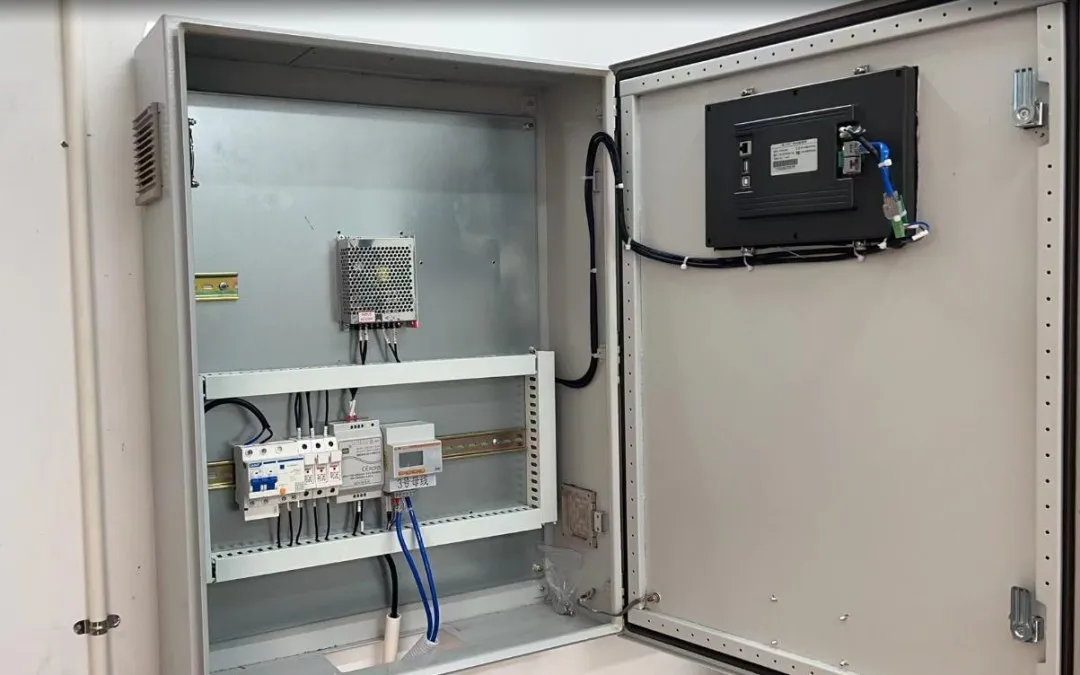
Lithium-battery and photovoltaic manufacturing plants adopt massive compact busbar trunking, and production lines demand extremely high power-supply continuity. AMB300-D1 wireless temperature sensors are installed on all critical busbar joints; data feeds into the Acrel-EMS energy management platform, which unifies power-meter data and busbar joint temperature in one single system. Alarms pop up immediately once joint overheating appears, helping users avoid costly unplanned production shutdown.
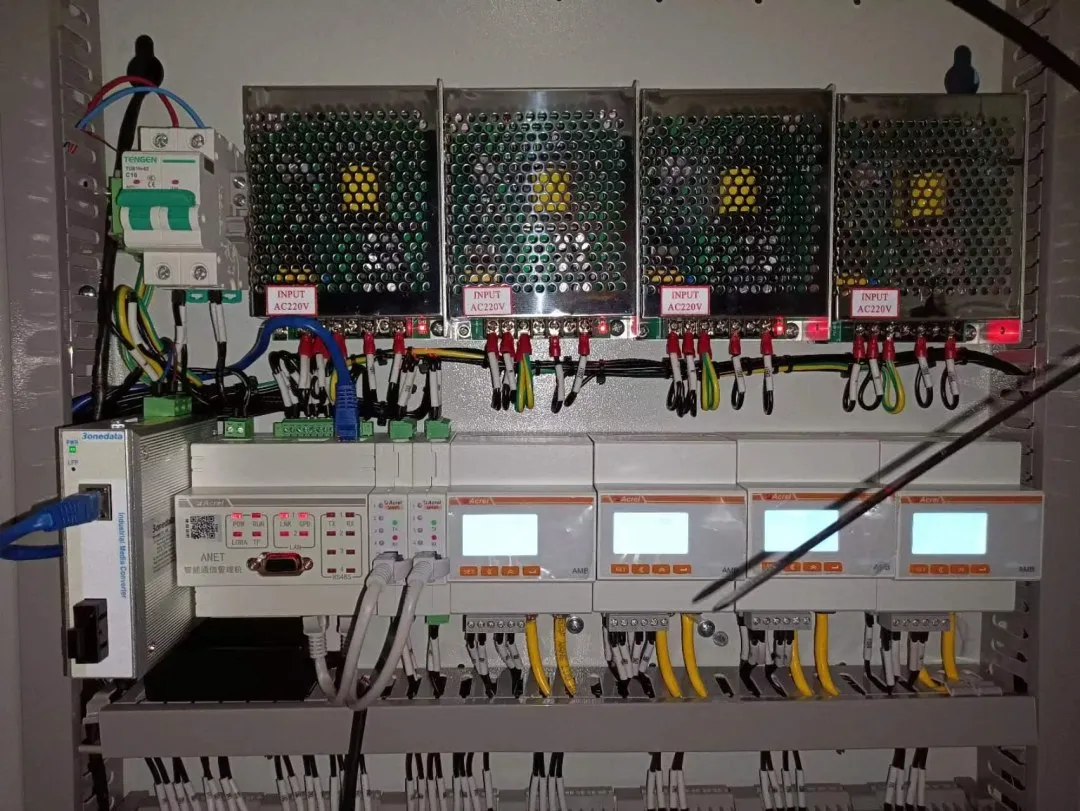
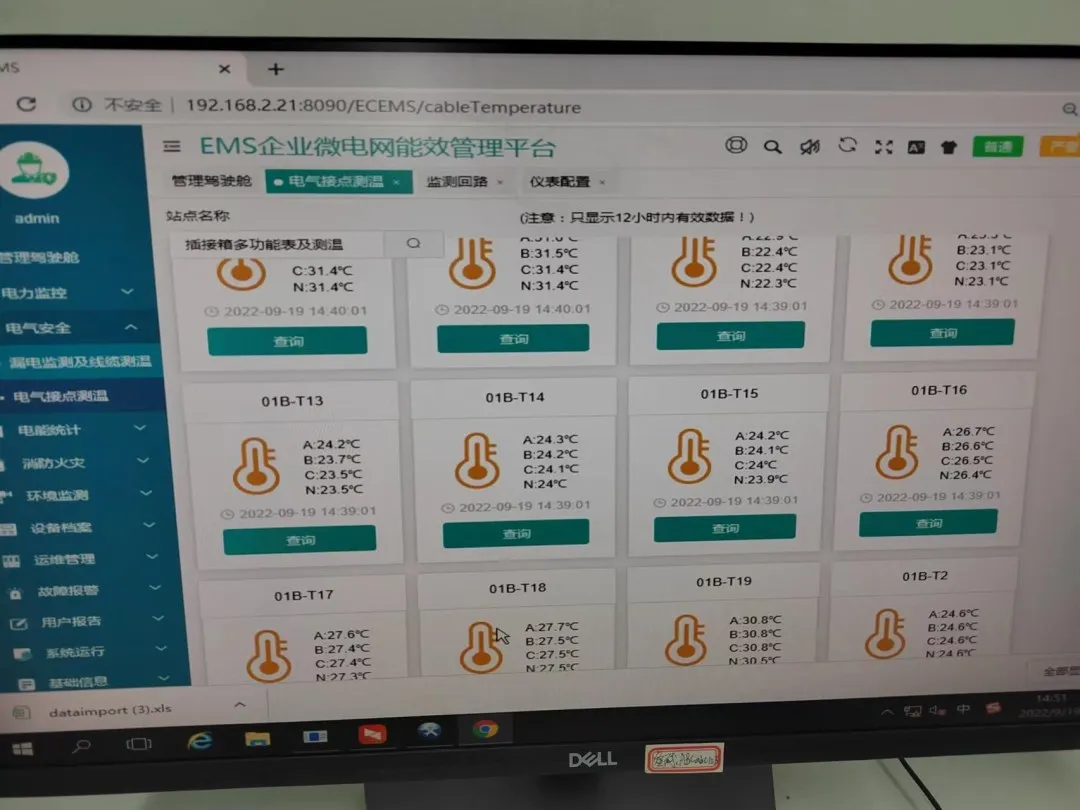
- Busbar trunking has become mainstream power distribution equipment for data centers, new-energy plants, semiconductor workshops, hospitals and high-rise buildings in South America.
- Overheating at busbar joints is among the most frequent root causes of power-distribution failures, and manual periodic inspections cannot eliminate all hidden thermal risks.
- Acrel AMB series — covering infrared and fiber-optic temperature-sensing technologies — works together with multi-function power meters to detect overheating risks in advance, secure power-supply continuity and minimize equipment-failure-related downtime.
If you are searching for busbar wireless temperature monitoring and electrical-instrument solutions for projects in Peru or wider South America, feel free to get in touch.
Tell us your busbar joints and monitoring points — we recommend the right AMB configuration with price.



October 26, 2016
The Most Successful Engineering Contractor.webp?x-oss-process=image/resize,w_100/quality,q_100)



Contact US
Product Information
Quantity
Unit
Piece
Support order samples, customization, wholesale direct, and complete payment. If the product you look for does not have corresponding customized content, pls fill out the form below to contact us, and we will reply ASAP.