ATE400 SENSOR ATC600-C RECEIVER WIRELESS TEMPERATURE SWITCHGEAR MONITORING
15 s
sampling interval
vs weekly patrols
240
measurement points
per receiver
150 m
open-space radio range
433 / 470 MHz
10 yrs
battery-free design life
no maintenance
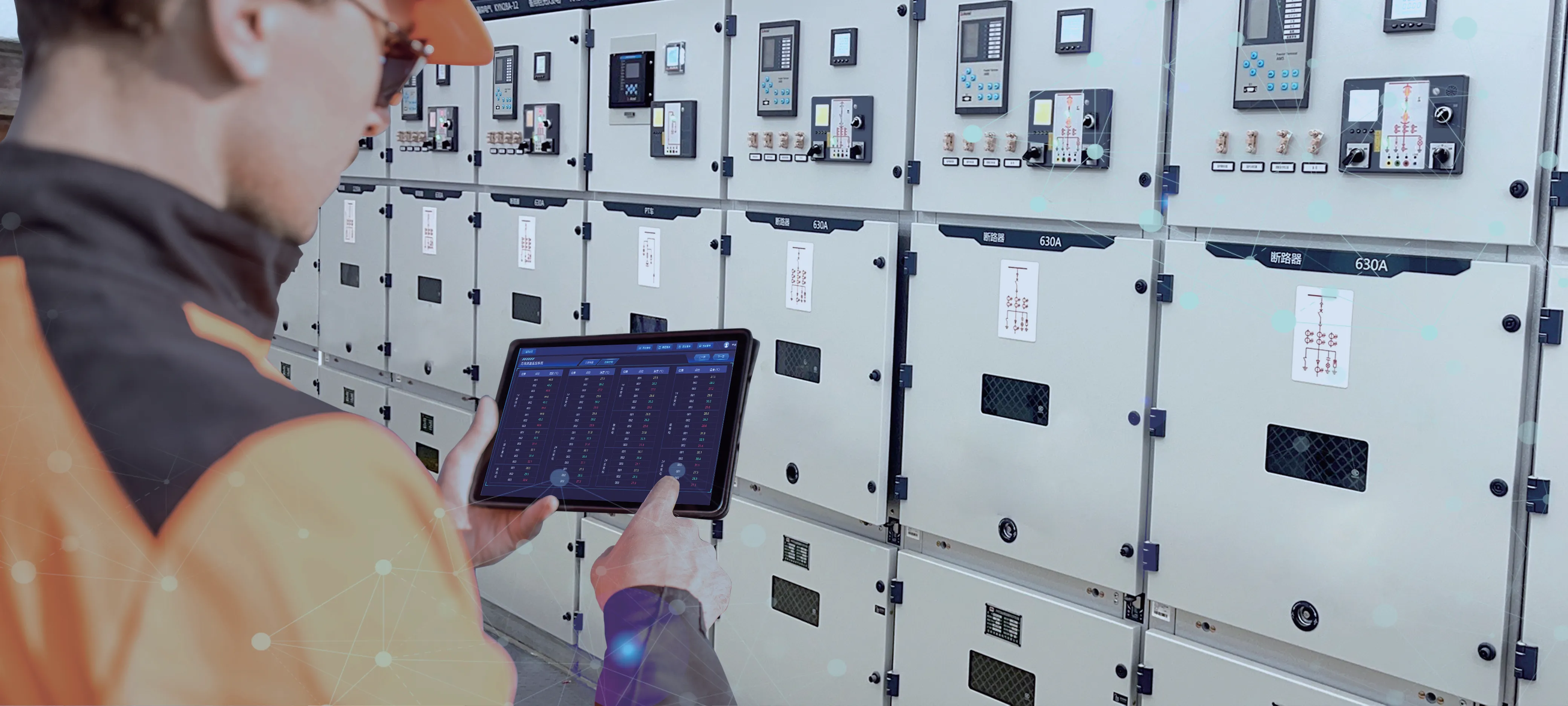
THE PROBLEM
Why weekly inspection misses the fire
01
Weekly snapshots
A patrol sees a joint a few dozen times a year. The overheating climbs between two visits.
02
Closed cabinet door
IR guns read the outside of the cabinet — not the breaker contacts or busbar joints inside.
03
Nighttime blind spot
Patrols run in daytime. Joints often peak after load drops — at night, unmonitored.
04
One fixed threshold
70°C or 80°C for every joint. No rate-of-rise, no 3-phase delta, no trend.
The hot spots never move — breaker contacts, busbar joints, cable terminations, CT primary terminals. They warm up slowly, stay inside "normal range" on every inspection sheet, and carbonize the insulation at 130°C on a quiet night. The data was there two months early. You just had nothing watching it.
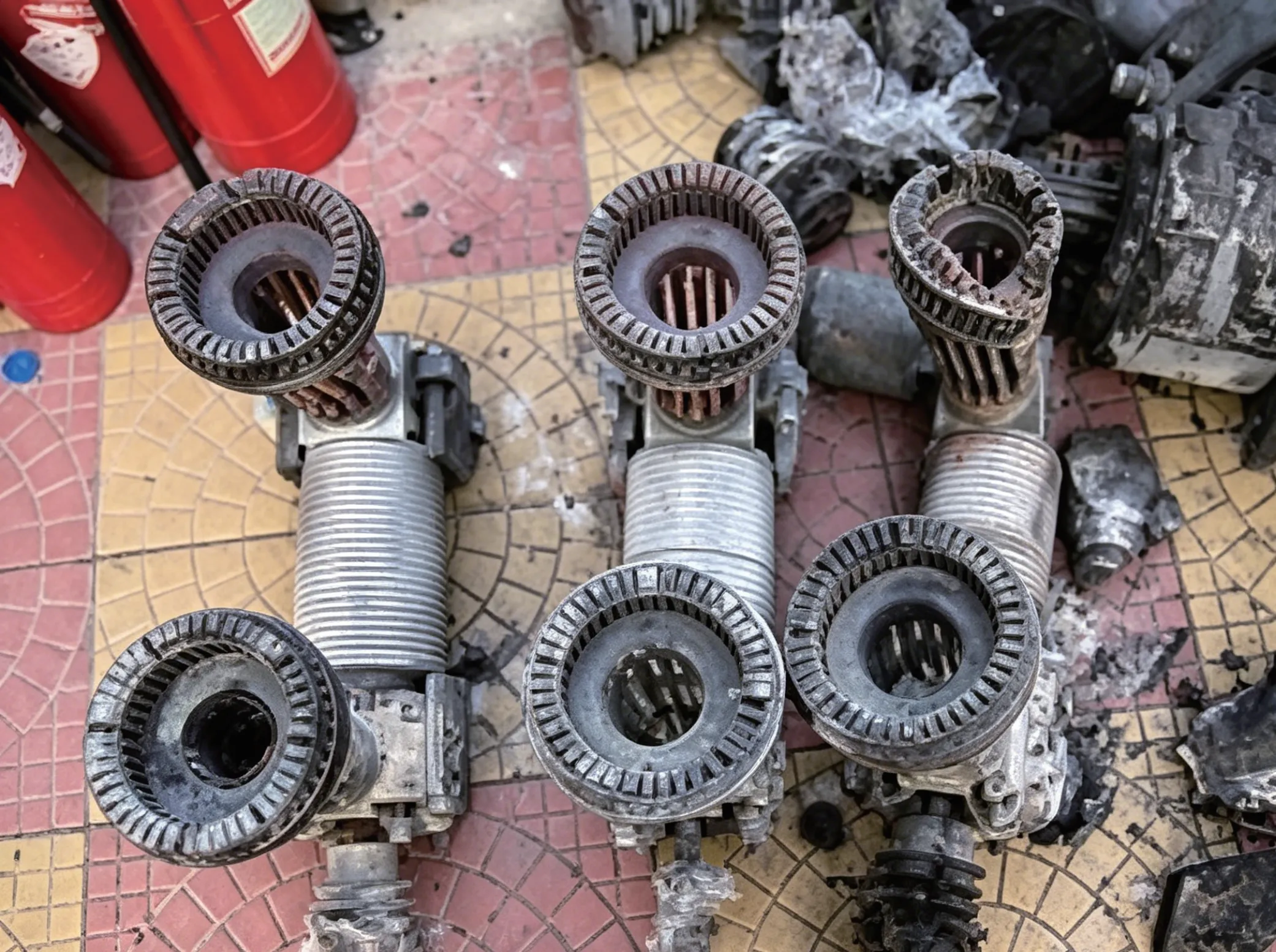
Burnt breaker contacts — what a joint looks like after months of an unnoticed slow temperature rise.
THE SOLUTION
ATE400: a sensor that lives on the joint

01
CT-powered, no battery
Draws energy from the current in the conductor. No battery to replace, 10-year life.
02
15-second continuous sampling
Millions of records a year per point. Trend, not snapshot.
03
433 / 470 MHz wireless
No wiring between sensor and receiver. Up to 150 m open space.
04
±1°C accuracy, −50 to 125°C
From cold storage to the edge of insulation failure.
05
Installs in minutes
Ring around the joint, tighten one screw. No work on the primary circuit, no shutdown.
DATA FLOW
From joint to your SCADA
On breaker contacts,
busbar, cable joints
→
DIN rail · 240 points
2 relay outputs, 5 A / 250 V
→
Your platform
RS485 Modbus-RTU
Acrel-2000T · SCADA · BMS
Rule of thumb: 9 points per cabinet (3 breaker contacts, 3 busbar joints, 3 cable ends). One ATC600-C covers 20+ cabinets.
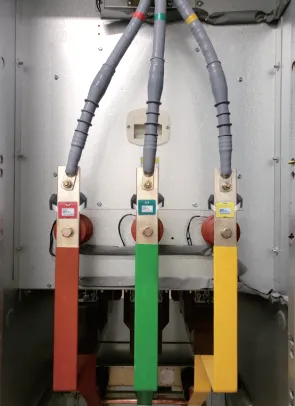
ATE400 clipped on three-phase busbar joints — installed live, no shutdown.
PICK THE RIGHT TYPE
Battery-free, or battery-backed?
ATE400 · CT-powered
Heavy loads: incoming busbars, transformer outlets, tie breakers
Needs ≥5 A conductor current
No battery · 10-year life
Best for permanent, maintenance-free coverage
Band / magnet sensor · battery
Light / standby / PV-idle circuits below 5 A
Works regardless of load current
~5-year battery · replace at end of life
Mix both in one cabinet — no point guessing
WHAT YOU GET
From alarm to condition-based maintenance
Rate of rise — +5°C/hour alarms earlier than any fixed temperature threshold.
3-phase delta — more than 10°C between phases usually points to a contact problem.
Peer comparison — same joint on adjacent cabinets rules out ambient heat.
Cover your heavy-load joints first
Send us your cabinet count and the load level of your main feeders. We'll confirm which points need the CT-powered ATE400 and which need the battery type, plus the receiver count for your layout. Reply within 1 working day.
Mia · Market Manager for Peru, Acrel · MOQ 1 unit · OEM / ODM accepted